We measure our work where it lands: on the people who farm with us, the climate, and the life on the land.
01
Community
Farm income, local work, and training across hundreds of farm partnerships in four countries.
02
Climate
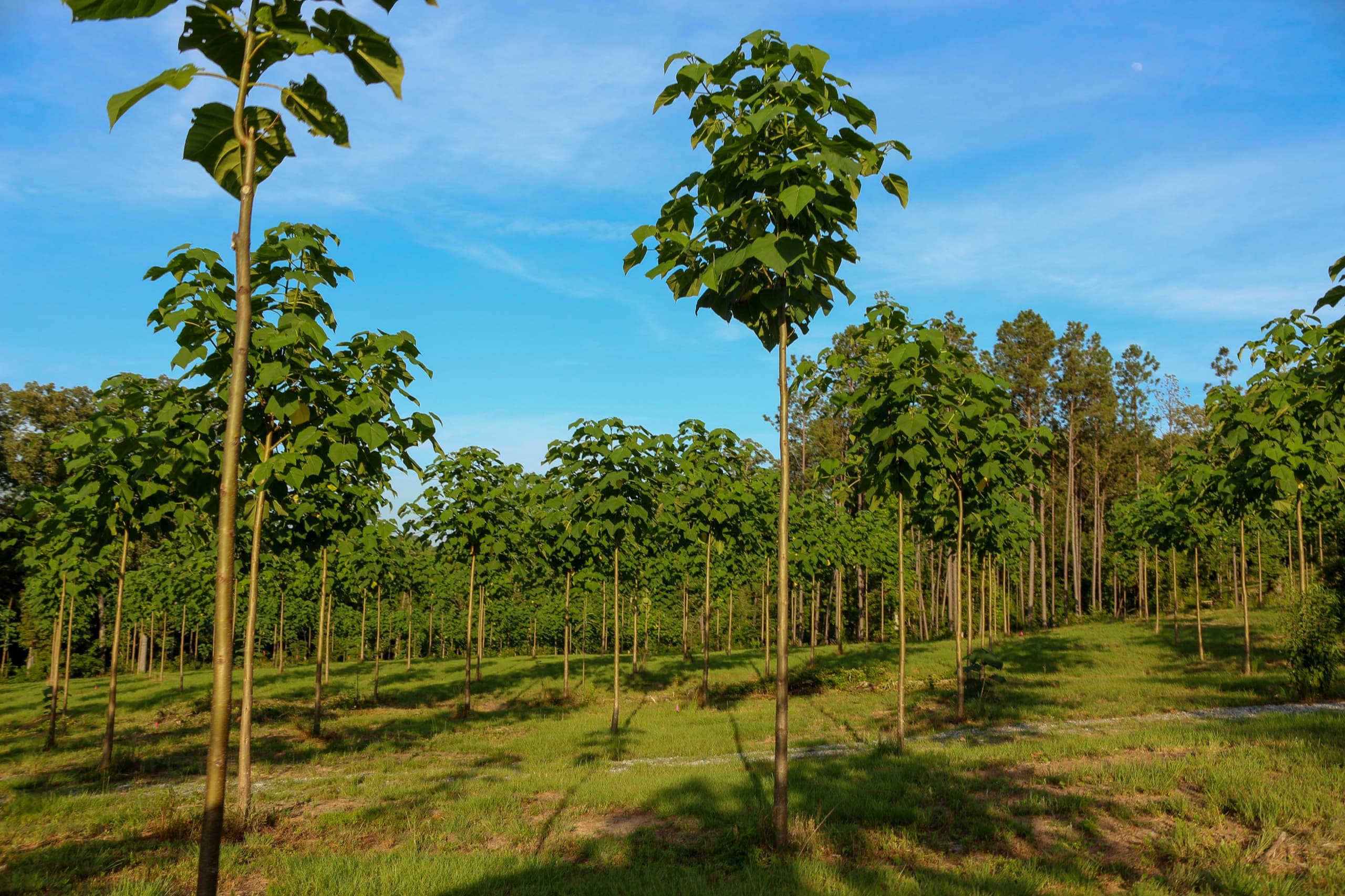
Fast growing trees drawing down carbon on land that held little of it before.
03
Biodiversity
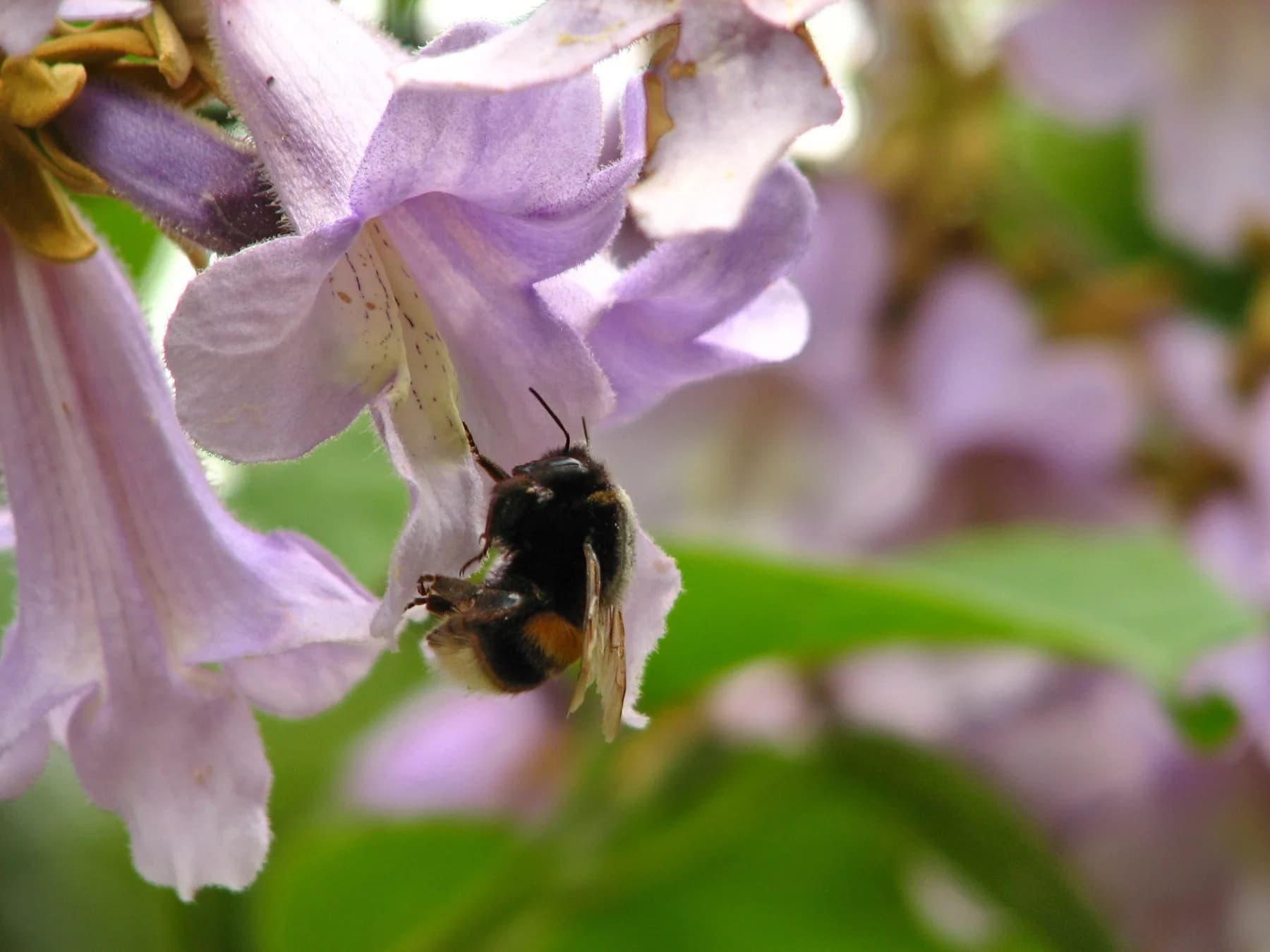
Blossoms for pollinators, canopy for wildlife, and living root systems in the soil.
What our farmers report.
Regenerative methods
88%
Use them on their farms
More wildlife
68%
Observed on their land
Community involved
94%
Family and neighbours engaged
Building family wealth
79%
Their reason for joining
Source: World Tree farmer survey, 2025 Impact Report.
The soil comes back first.
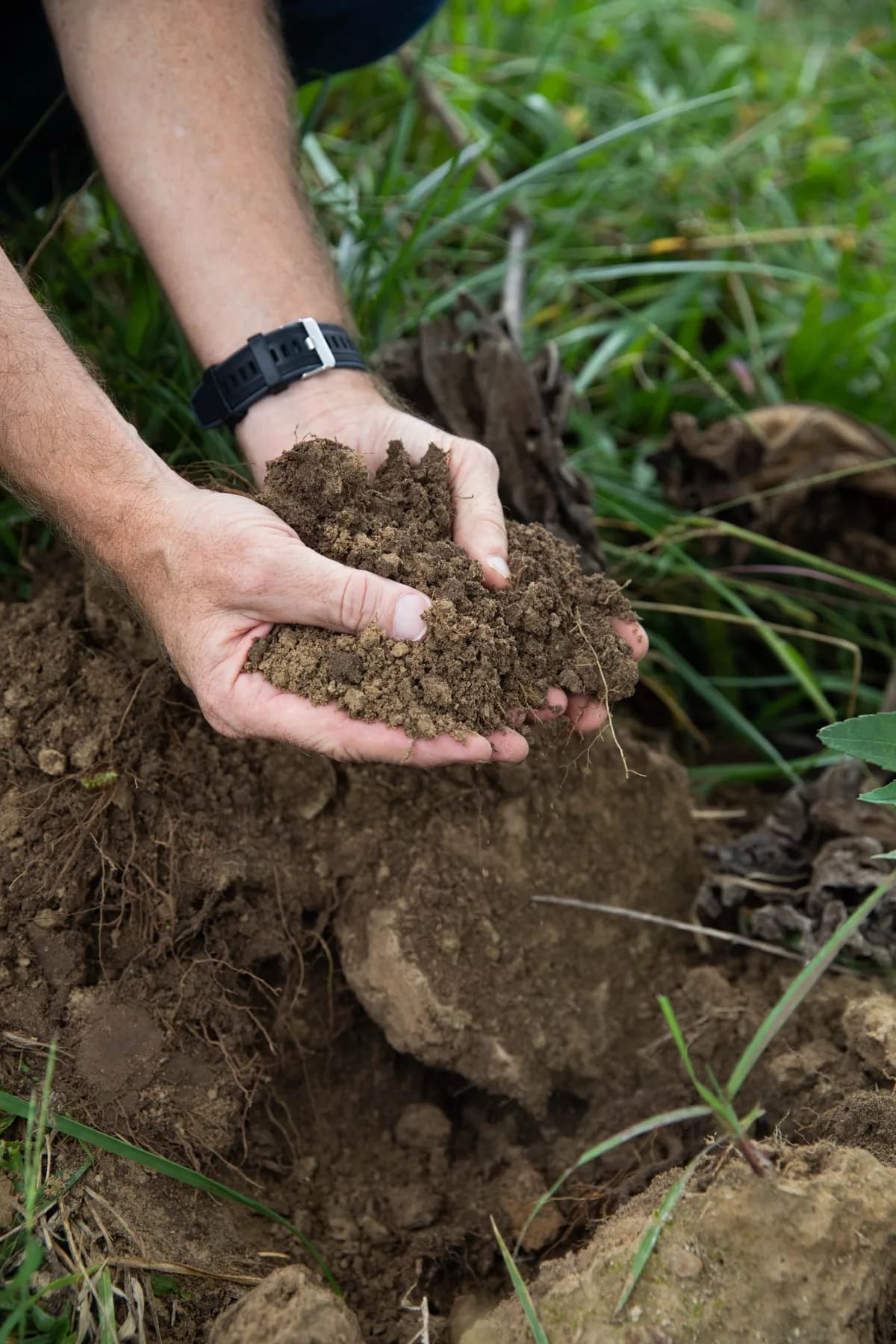
Paulownia drops nitrogen rich leaves that feed the ground beneath it. Ostrom Climate valued that natural fertilizer at up to $77 per acre per year across the first ten years of growth, and farmers see it in their grass, their crops, and their water retention.
Carbon, counted conservatively.
Estimates for paulownia sequestration vary by method, so we report what independent third-party models support: up to 15 tonnes of CO2e per acre per year on our farms. We would rather under promise than over claim.
Who has studied our farms
Ostrom Climate
Growth, carbon, and soil nitrogen
South Pole
Carbon analysis, VERRA hardwood protocol
USDA COMET tools
Sequestration modelling
Kinomé
Impact baselines, Signature projects
Impact that shows up in a paycheck.
The program was built to level the field for small family farmers: premium timber markets are practically impossible to reach alone. Farmers keep half the profit on the first harvest, every harvest after that is theirs, and the work stays in their community.
“
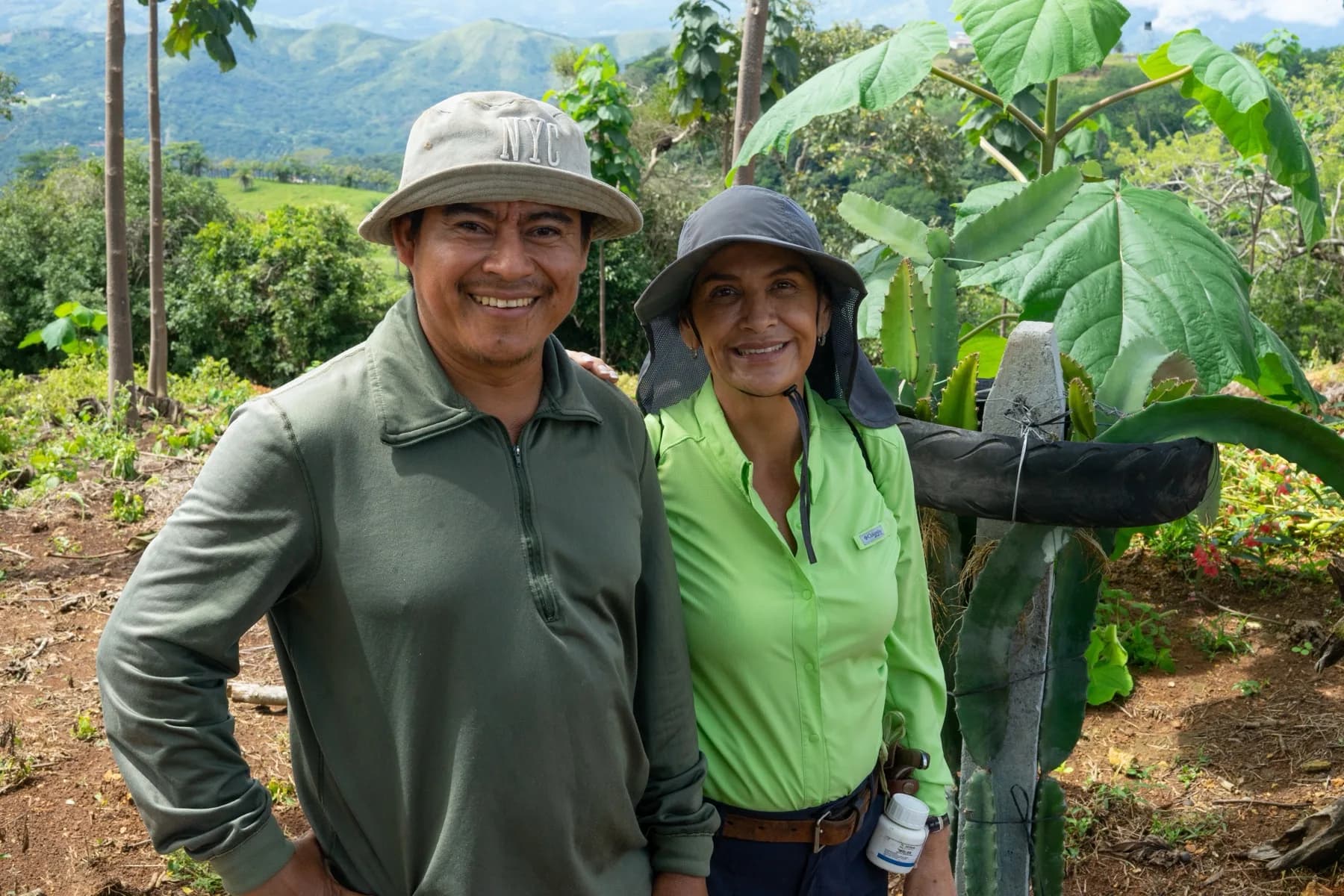
The soil is more fertile, the grass is growing better than before, and there are more birds and a better environment than before with only pasture lands.
Only on land that needs it.
We plant only on unforested, degraded land, so every outcome is additional: new trees, new canopy, new carbon, and none of it displacing standing forest.