
Biodiversity · November 16, 2026
Rooted in the South: World Tree's Biodiversity Strip Program
Every new World Tree farming partner sets aside 400 square feet of native wildflowers and grasses for each acre of Paulownia. Here is how the strips work.
By Jack D'Antonio and Ashley Daniels
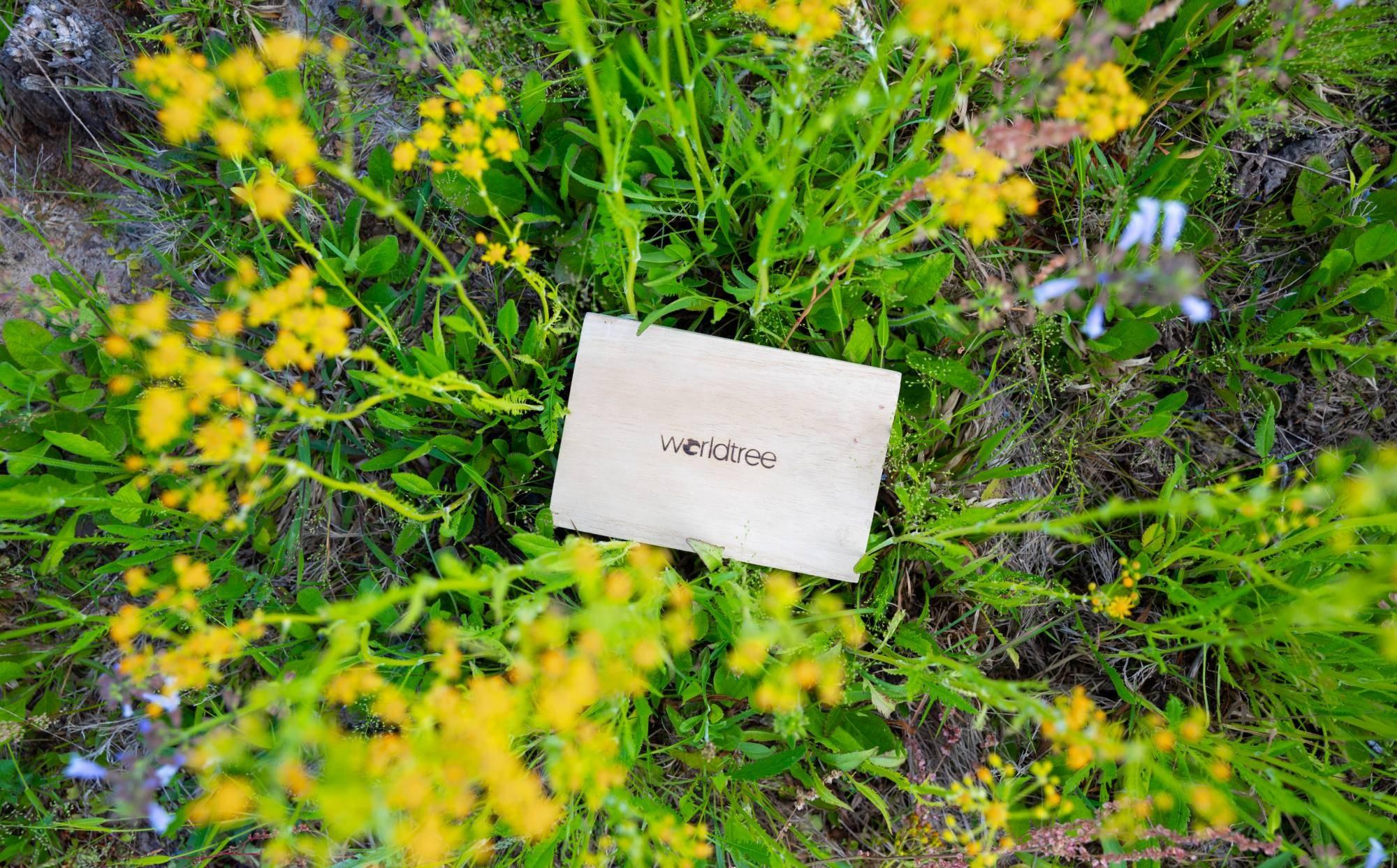
Every new World Tree farming partner now sets aside 400 square feet of native wildflowers and grasses for each acre of Paulownia they plant. We call it the Biodiversity Strip Program, and it starts with a simple idea: a timber farm can grow more than timber.
- 400 square feet of native habitat for every acre of Paulownia
- 27 native species in the Southeastern mix
- Seed provided free to partner farms
- Blooms from spring to frost
Who we are
World Tree was built on the belief that you should not have to trade the planet for a sound investment. We partner with farmers and landowners across the Americas to grow Paulownia, providing the trees, training, and field support. Our grower partners tend the stands, we bring the timber to market, and together we share the returns.
Paulownia earns its place on that mission. It is among the fastest-growing hardwoods on earth, pulling carbon from the air and locking it into beautiful, light, strong, fire-resistant wood. When a stand is harvested, the tree regrows from its own stump, so the carbon cycle starts again without replanting or disturbing the soil. Wood that ends up in buildings, instruments, and furniture keeps that carbon stored for decades.
But a Paulownia forest is more than its trees. A healthy stand needs healthy soil, a working insect community, a strong microbiome, and natural checks on pests. We care about the land as much as the timber it grows, and that care often starts with what is kept, sown, or supported around the trees.
Why native plants matter
In the United States, the Southeast was once a patchwork of longleaf savanna, canebrake, and open prairie. Bobwhite quail called from the field edges. Monarchs moved through on their way to Mexico. Bumblebees worked coneflower and blazing star from April to October.
Much of that has been plowed, pastured, paved, or planted over, and more and more of the landscape has been turned into monoculture. The Southeastern Grasslands Institute calls the region's native grasslands among the most overlooked and endangered habitats in the country. As that habitat shrinks, so do the insects, birds, and soil life that depend on it. Those are the same creatures that keep the environment and our sustainable farms healthy.
Native plants and native animals grew up together. A bumblebee is built for coneflower, and a monarch for milkweed, the only plant its caterpillars can eat. Native bees, butterflies, and moths are in steep decline across the country, yet they pollinate much of what we eat and much of what grows wild.
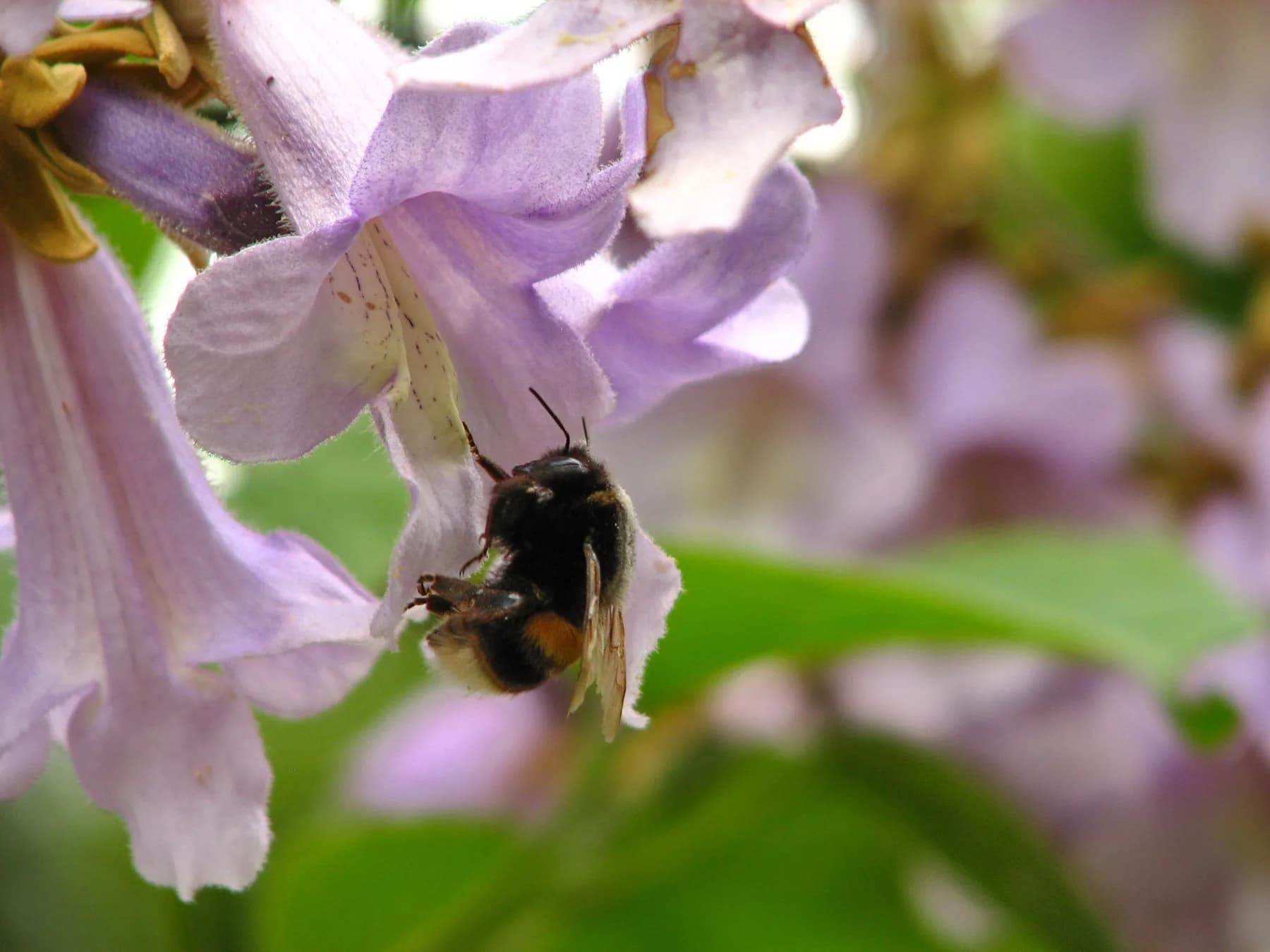
Plant the right native species and the wildlife finds it, often within a season or two. Seed heads feed songbirds and quail through winter, and tall grasses shelter rabbits, turkey poults, and nesting birds. Native plant habitat is key in protecting our nation's most important wildlife.
Healthier land, lower input costs
Biodiversity is not only good for nature. It is good for the farm's bottom line, too.
It starts underground. Native grasses and wildflowers send roots several feet down, building organic matter in the soil. Soils rich in organic matter hold water like a sponge, so rain soaks in instead of running off and the ground stays moist longer into dry spells. That can mean less irrigation. Deep roots also hold the ground in place during Southern downpours, keeping topsoil and nutrients on the farm and out of the creeks.
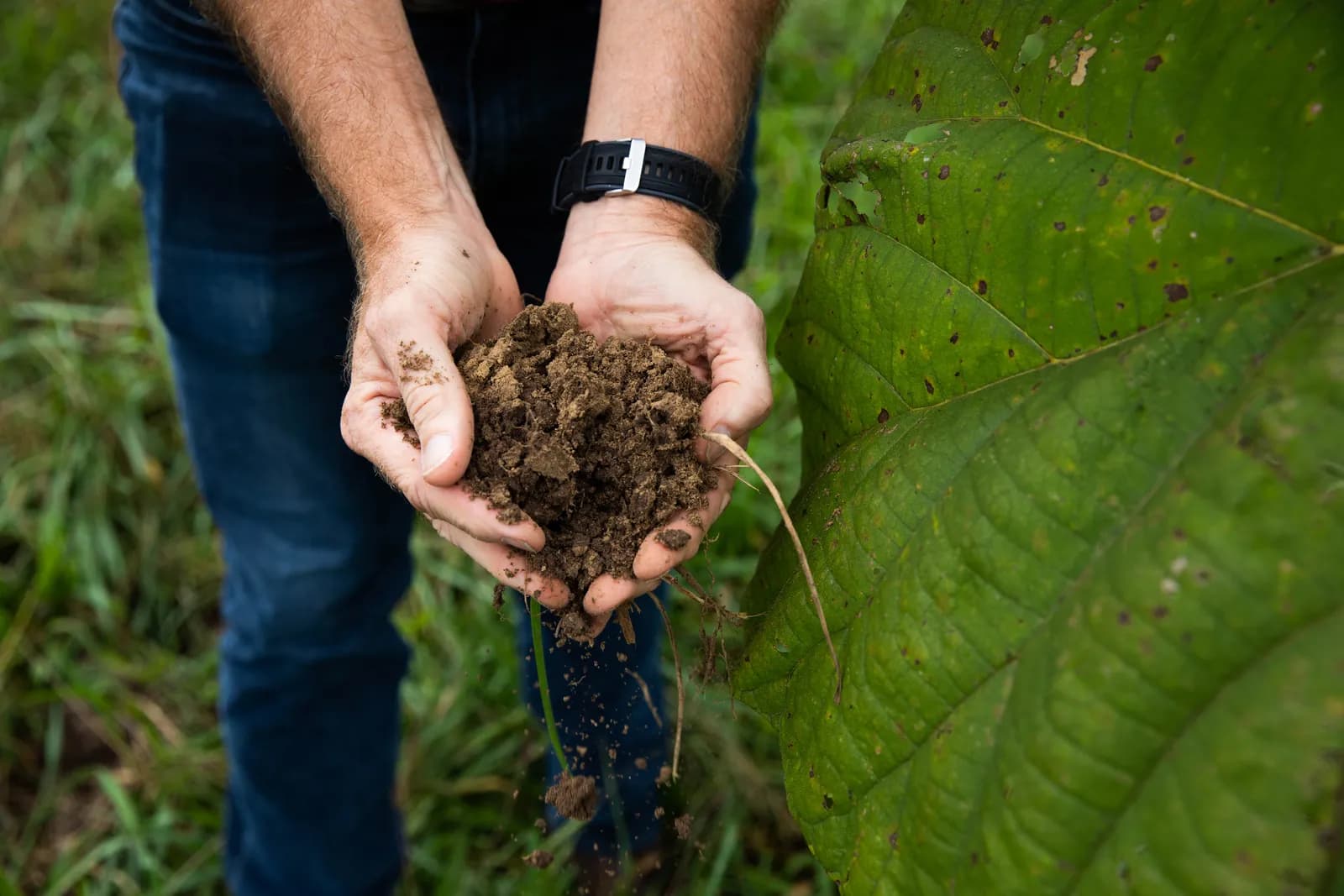
The legumes in the mix pull nitrogen from the air and leave it in the ground, which can cut back on fertilizer and help young Paulownia grow quickly. Mixing them with aromatic plants like mountain mint and bee balm may also help deter deer from our crop.
Flowers bring in ladybugs, lacewings, and parasitoid wasps, all beautiful flying predators that hunt the insects that could chew on young Paulownia. Songbirds raising their young eat insects by the thousands and keep local populations in balance. A strip next to the grove gives these allies a home base, which can cut the need for insecticide, and its cost.
And as climate change brings hotter summers, heavier storms, and longer droughts, biodiverse land handles that stress better than bare ground or single-species fields. Healthier soil, fewer pests, and a more balanced ecosystem all add up to stronger trees. We are tracking results on our farms, and our early view is simple: a living, diverse field edge makes for a more resilient ecosystem, and a stronger timber stand.
Our native seed program
That is why every new World Tree farm gets Biodiversity Strips. For every acre of Paulownia our partners plant, World Tree provides native seed for a 400-square-foot strip at no cost. Strips and patches can go along field edges, beside creeks, or inside the plantation itself, so wildlife can live in and travel between fragmented habitat or human development.

A World Tree forester walks each site with the grower to choose the best spots based on sun, soil, and how the farm operates. The grower sows the seed shallow, between 1/8 and 1/4 inch, and simply suppresses weeds through the first season. Natives spend that first year building roots. By the second summer, the strip starts to explode in wild blooms and strong flora.
For Southeastern farms, our current blend is the Southern Pollinator Conservation Mix: 27 native species suited to full sun and dry-to-medium soils, growing 5 to 6 feet tall. It includes:
- Pollinator flowers such as purple coneflower, spiked blazing star, black-eyed Susan, bergamot, and lance-leaved coreopsis
- Milkweeds, common and butterfly, the host plants monarchs depend on
- Nitrogen-fixing legumes, including blue false indigo, goat's rue, partridge pea, and tick-trefoil
- Native warm-season grasses: little bluestem, Indian grass, switchgrass, and tall dropseed
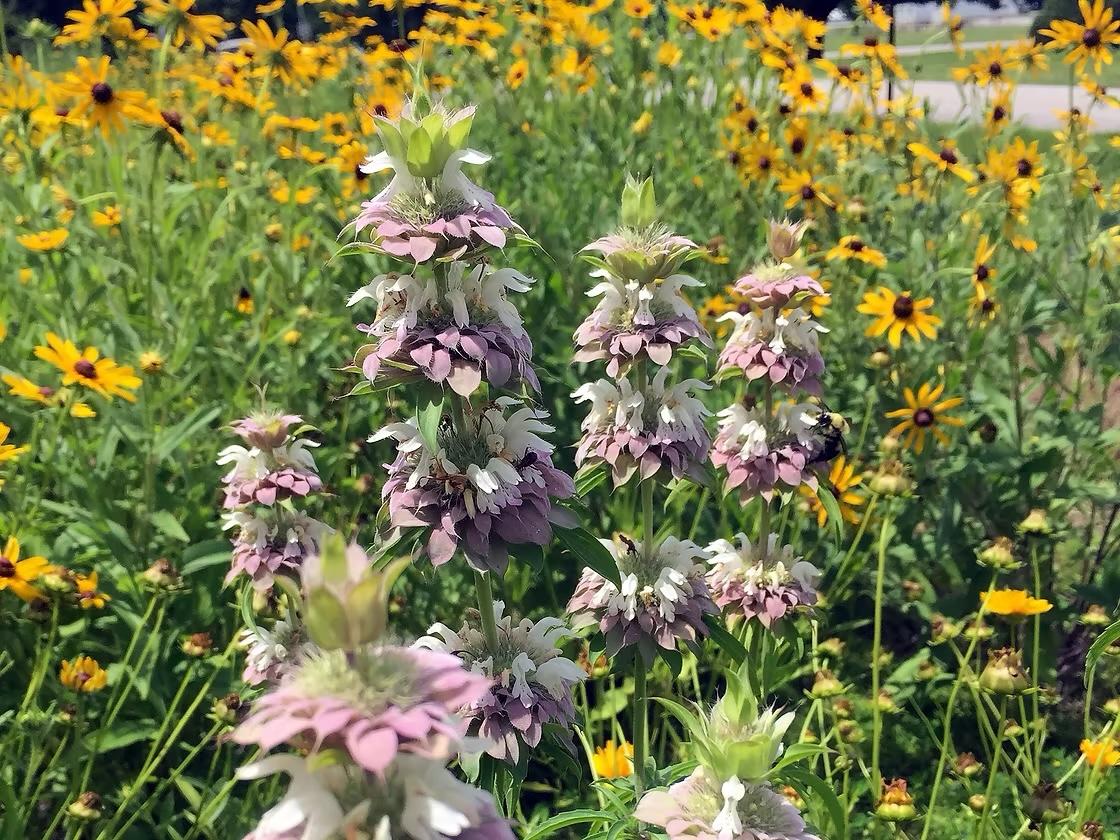
Bloom is staggered from spring indigo through fall goldenrod, ironweed, and aster, so something is always flowering. These plants are doing the same work they have done here for thousands of years.
Where our seed comes from
A native seed mix is only as good as where the seed came from. That is why we buy from Roundstone Native Seed, a family farm in Upton, Kentucky.
Roundstone started with Randy Seymour and his son John hand-collecting wildflower seed by the bucket and became a company in 1994. Today they are one of the largest native seed providers in the East, and three generations of the family still work the home farm. In 2025, the Seymours received the Leopold Conservation Award for decades of leadership in native seed and conservation.
Part of what matters most to us is their focus on ecotypes. The same species can grow very differently in Kentucky than in South Georgia, depending on rainfall, frost dates, and soil. Roundstone collects and grows seed from the regions it serves, so the plants are adapted to the conditions our growers actually face. That means better establishment, less failure, and plants that ecologically belong.
Stewardship as part of the program
There is an ethical side to farming that does not show up on a scale or mill ticket. Land passes from one generation to the next, and how we leave it matters. A timber farm that only takes from the soil is borrowing against its own future.
The Biodiversity Strip Program is our way of giving something back to Earth with every acre we plant. Multiply it across dozens of farms from Louisiana to the Carolinas, and it becomes a network of habitat that captures carbon, feeds pollinators, and keeps Southern land alive and working.
If you are a World Tree grower, talk to your regional forester about adding strips to your farm. If you are thinking about joining us, this is part of what you would be signing up for: a crop that pays and an environment that is better for having grown it.
References
- Southeastern Grasslands Institute: research and restoration of the region's native grasslands.
- Partner Spotlight: Roundstone Native Seed (Southeastern Grasslands Institute, 2025): the farm's history and its role in native grassland restoration.
- Monarch Butterfly, Featured Creature (National Park Service): milkweed as the monarch's only larval host plant.
- Pollinators in Peril (Center for Biological Diversity): the status of North America's native bee species.
- Farming with Native Beneficial Insects (The Xerces Society): ecological pest control using native habitat.
- Native Plant Conservation Strips for Sustainable Pollination and Pest Control (SARE, project LNC08-297): field research on conservation strips beside crops.
- Roundstone Native Seed: regional ecotype seed production in Upton, Kentucky.
- John and Randy Seymour Receive Kentucky Leopold Conservation Award (Sand County Foundation, 2025).
- Soil Organic Matter and Soil Infiltration (USDA Natural Resources Conservation Service, Soil Quality Kit: Guides for Educators).